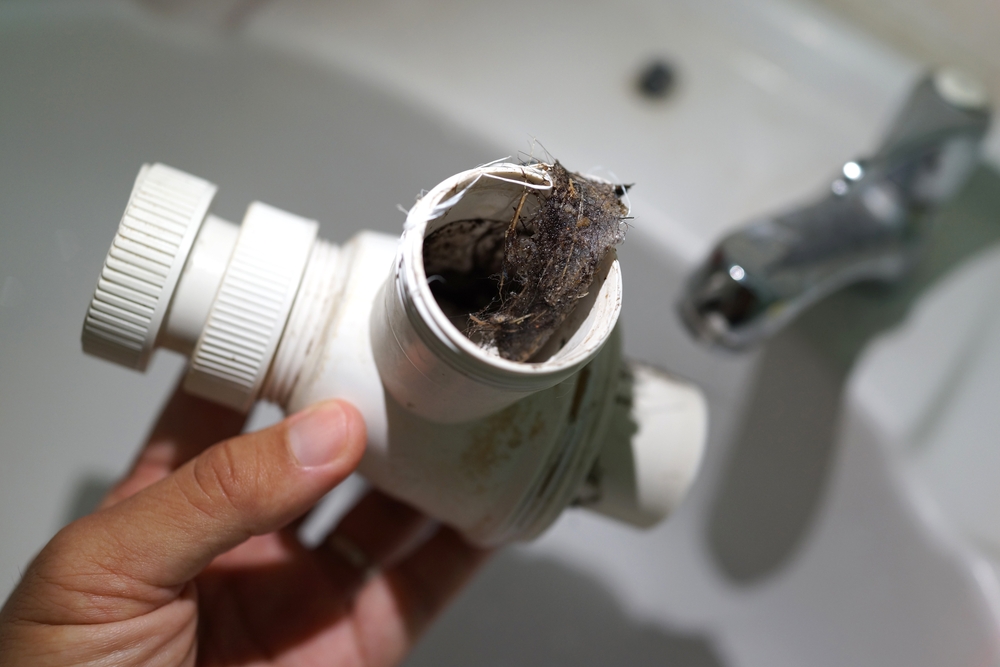
Summer exposes plumbing problems that stayed hidden all winter.
If your sink empties more slowly, your shower starts pooling around your feet, or your kitchen drain gurgles after dinner, the timing isn't a coincidence. The good news is that slow drains usually provide an early warning to schedule drain cleaning in Charlotte, NC.
Why Do Drains Slow Down More Often During Summer?
Here's the short answer: summer increases water usage while making existing drain restrictions more obvious. Most clogs develop gradually as grease, soap residue, hair, food particles, mineral deposits, and other debris accumulate inside the pipe.
During cooler months, you may never notice the restriction. Once summer arrives and household water demand increases, that narrowing becomes difficult to ignore.
Increased Water Use Pushes Restricted Pipes to Their Limit
Summer routines look different. Children are home from school.
Guests visit more often. Pools, gardens, and outdoor entertaining increase overall water use. Washing machines run more frequently to keep up with towels and sports uniforms. Showers become more common after time outdoors.
Every fixture contributes additional wastewater to the drainage system.
A pipe that's already partially restricted has less room to handle that extra volume. Water begins draining more slowly because it encounters more resistance before reaching the main sewer line.
That's why many homeowners schedule drain cleaning services during the summer rather than waiting until a complete blockage develops.
Summer Storms Can Reveal Sewer Problems
Charlotte's summer weather often brings intense afternoon thunderstorms. Although modern sanitary sewer systems are separate from storm drains, saturated soil still affects underground plumbing.
Heavy rainfall can increase groundwater around aging sewer pipes. If joints are cracked or separated, groundwater may infiltrate the line while surrounding soil shifts slightly under changing moisture conditions.
At the same time, partially blocked sewer lines have less capacity to move wastewater efficiently.
The result may be slow drains throughout the home, especially if multiple fixtures begin showing symptoms at once.
Tree Roots Become More Active During Growing Season
Trees don't crack healthy pipes with brute force.
Instead, roots naturally seek moisture and nutrients. Small openings around aging pipe joints release tiny amounts of water vapor into surrounding soil, attracting nearby roots. Once they enter the pipe, they continue expanding and collecting debris. Summer growth accelerates this process.
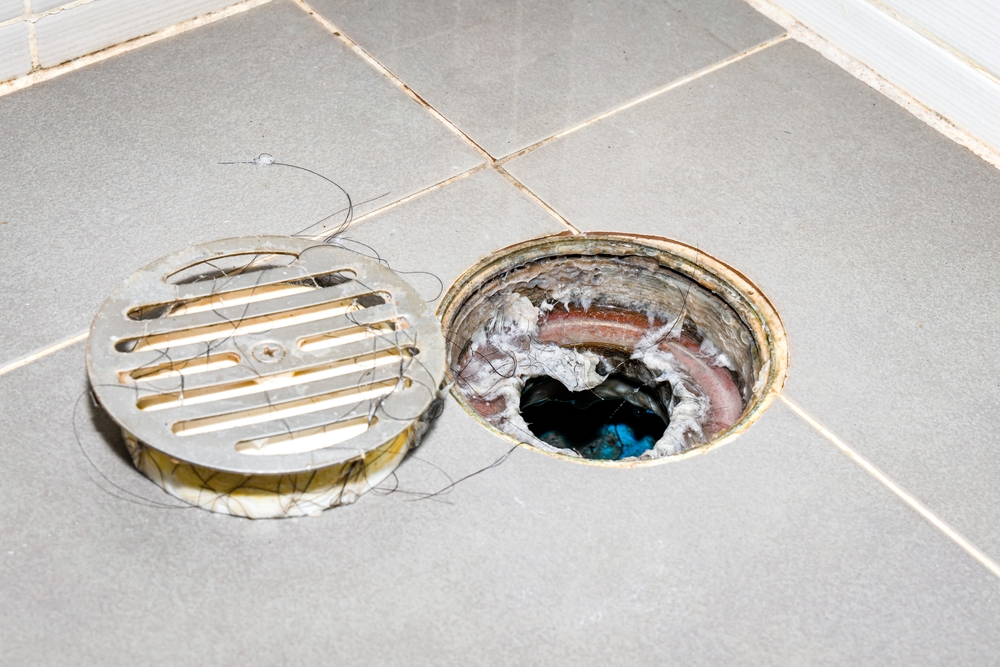
When Simple Cleaning Isn't Enough
A plunger works well on localized clogs. A drain snake can often restore flow through many blockages.
Neither tool, however, completely removes years of grease buildup, sludge, mineral scaling, or extensive root intrusion along the interior pipe wall.
When buildup has accumulated throughout a long section of pipe, hydro jetting may be recommended. This method uses high-pressure water to scour the inside of the pipe, removing debris across its full diameter rather than simply punching a hole through the blockage.
The Right Solution
The appropriate solution depends on the condition of the drainage system, which is why professional evaluation matters.
- Homeowners often adapt to slow drains without noticing, such as waiting longer for the sink to empty or the shower to drain.
- These minor inconveniences are usually early warning signs that a pipe’s capacity is shrinking.
- Scheduling professional drain cleaning early is far less disruptive than dealing with wastewater backups in sinks, tubs, or floor drains.
- Waiting rarely helps, as restrictions typically continue to grow until they interfere with your daily plumbing use.
FAQs
Why do my drains slow down only during the summer?
Higher household water use, increased cooking, summer storms, and active tree root growth can expose restrictions that weren't noticeable during other seasons.
Can heavy rain make my drains drain more slowly?
Yes. Saturated ground can worsen existing sewer issues, especially if underground pipes have cracks, joint separations, or partial blockages.
Are slow drains always caused by a clog?
Not always. Root intrusion, grease buildup, mineral deposits, damaged sewer pipes, or poor drainage system performance can produce similar symptoms.
When should I call a plumber for a slow drain?
If multiple fixtures drain slowly, recurring clogs keep returning, or drainage worsens after storms, it's time for a professional evaluation before a complete backup develops.
A Slow Drain Today Can Become Tomorrow's Emergency
The slow drain you notice today has likely been developing quietly through months of grease accumulation, soap residue, root intrusion, or everyday debris. Summer simply exposes weaknesses.
If several drains have become sluggish, don't assume the problem will resolve on its own. Schedule an inspection from E.R. Plumbing Services before a partial restriction becomes a costly emergency. Taking action while the warning signs are still minor is almost always easier to deal with. Call our team to protect your home from a complete sewer backup.