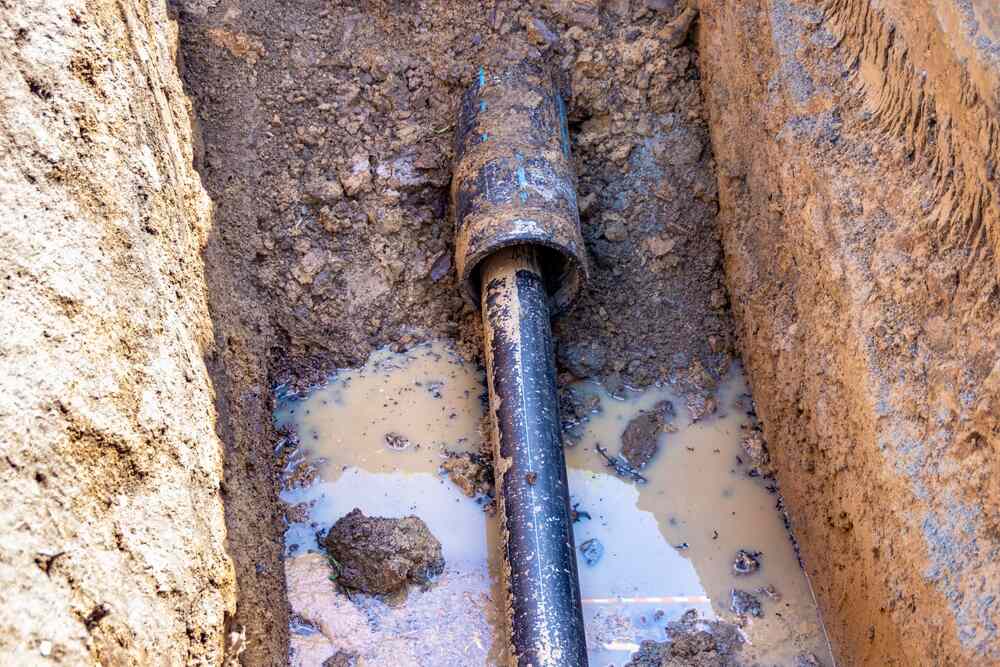
Sewer pipe problems create immediate stress for property owners. A foul odor near the foundation, slow drains in the bathroom, or unusual wet spots across the lawn indicate deep underground pipe structural issues. Historically, fixing underground drain lines required bringing heavy machinery onto your lawn, tearing up mature trees, and breaking open concrete driveways. That destructive process leaves property owners with massive restoration expenses on top of plumbing bills.
Modern technology offers a seamless alternative that builds a resilient new pipe directly inside the existing line. We provide specialized trenchless solutions at E.R. Plumbing Services, including advanced CIPP sewer line repair in Charlotte, NC.
Understanding Trenchless Pipe Restoration Technology
Trenchless pipe rehabilitation relies on precise chemical science and engineering. Cured-in-place pipe restoration creates a seamless pipe within an existing structure. According to the Environmental Protection Agency, structural lining systems meet strict standards for continuous structural integrity, offering an operational lifespan of 50 years or longer.
The core material consists of a flexible felt tube coated with an epoxy resin system. Technicians pull or invert this felt tube into the damaged pipe starting from a single access point. Once positioned inside the host pipe, the liner expands against the interior walls using air or water pressure. The resin hardens through a ambient or heat-assisted curing process, forming a tight structural joint. The resulting epoxy structure functions as an independent, stand-alone pipe capable of handling structural loads.
Properties with tree root intrusion, age-related corrosion, or cracked clay tiles benefit immediately from this process. Because the material bonds tightly to the host pipe, it prevents future root invasion at joint connection points.
The Underground Pipe Inspection Process
Before placing any structural liner inside an underground drain, technicians conduct a comprehensive video camera inspection. A specialized high-definition camera travels down the sewer line to capture high-resolution imagery of the interior pipe walls.
This inspection reveals structural cracks, joint offsets, localized belly sections, and stubborn blockages. Identifying exact damage locations enables technicians to measure accurate liner lengths and verify that the host pipe supports the installation process.
After completing the visual inspection, mechanical cleaning tools clear out debris inside the line. High-pressure water jetting removes tree roots, scale deposits, grease accumulation, and loose rust. Preparing the pipe surface creates a clean foundation so the epoxy material adheres properly to the pipe wall.
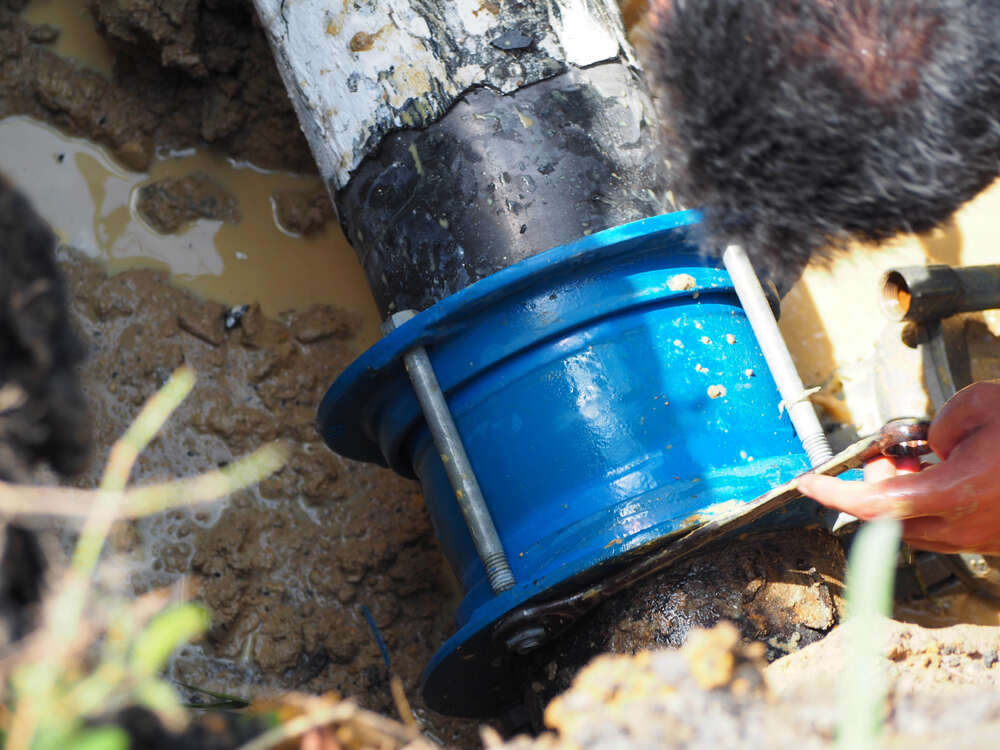
Key Operational Steps in Pipe Lining Repairs
The installation process follows strict ASTM F1216 industry standards to maintain structural consistency. Technicians mix a two-part epoxy resin system according to exact temperature and timing measurements. The felt liner absorbs the liquid epoxy thoroughly through a mechanical vacuum roller system, distributing resin evenly throughout the tube.
Technicians launch the saturated liner into the pipe using an inversion drum or pull-in cable system. Air pressure drives the liner down the pipe, turning the resin-coated material inside out so it presses firmly against the interior host pipe surface.
- Preparation of the workspace and access point opening
- Video camera inspection and thorough mechanical line cleaning
- Precise measuring, resin mixing, and liner wet-out calibration
- Inversion or insertion of the resin-soaked flexible liner
- Inflation with continuous air pressure to mold against host walls
- Curing cycle via hot water, steam, or UV light activation
- Final video verification inspection and lateral service line reinstatement
Once expanded, curing agents activate the resin transformation. Thermal curing methods use hot water or steam circulated through the line to speed up polymerization. UV-curing systems utilize ultraviolet light trains pulled through the liner to harden the material within minutes. After curing completes, a robotic cutter reopens branch connections along the main line to restore service to all connected fixtures.
Structural Capabilities of Epoxy Resin Systems
The chemical formulation of structural epoxy resins offers impressive physical properties for underground utilities. The American Society of Civil Engineers highlights trenchless renewal methods as essential tools for preserving urban municipal infrastructure without disturbing surface activities.
Epoxy resin resists common chemical compounds found in residential and commercial wastewater, including household cleaners, oils, and mild acids. The smooth inner surface of the cured pipe lowers hydraulic friction, increasing liquid flow capacity inside the pipe diameter even with a slight reduction in overall internal pipe radius.
Structural liners withstand heavy soil weight and surface traffic loads overhead. The structural strength matches or exceeds the load capacity of brand-new schedule 40 PVC pipe, making it an excellent long-term option for driveways, parking spaces, and landscaped areas.
Protecting Property Value and Landscaping Integrity
Digging up a traditional sewer line disturbs every structure standing between the house foundation and the city sewer main. Landscaping features, concrete sidewalks, brick pavers, and asphalt driveways require expensive rebuilds after open-trench excavation projects wrap up.
Preserving existing ground cover saves property owners significant restoration costs. Trenchless pipe installation requires only minimal access points, typically using existing cleanouts outside the building. Heavy machinery stays off the lawn, protecting topsoil composition and preventing damage to underground utility connections.
Property management teams and commercial space operators value this approach because daily business operations continue without interruption. Customers and tenants access the building safely while technicians complete the repair subterranean.
Professional Evaluation and Long-Term Performance
Determining if a pipe qualifies for structural rehabilitation requires expert evaluation. While standard corrosion, pinhole leaks, joint gaps, and root penetrations accept cured liners readily, completely collapsed pipes or severely sagging lines require localized spot excavation before lining procedures begin.
Selecting qualified technicians with proper field calibration equipment makes a difference in project outcome. Proper resin distribution, accurate cure temperature tracking, and careful lateral reinstatement cutting demand rigorous technical expertise. Choosing comprehensive CIPP sewer line repair services ensures every step of the process aligns with national engineering standards.
Our field crews review digital camera footage with property owners before initiating work. Seeing the internal condition of your drain system provides full transparency regarding pipe structural integrity and project requirements.
Choosing experienced specialists for CIPP lining guarantees proper installation execution from initial cleaning through final inspection. Modern trenchless systems eliminate guesswork, creating a reliable drain system that lasts for decades.
Working with an established plumbing company provides property owners with reliable technical advice tailored to specific soil conditions and pipe materials.
Investing in continuous professional maintenance and early pipe inspections prevents severe underground plumbing failures. Professional technicians evaluate flow rates, check pipe access ports, and provide comprehensive solutions for all residential and commercial plumbing services.
Frequently Asked Questions
Q: How long does a cured-in-place pipe repair take to complete?
A: Most residential trenchless sewer line installations take between four to eight hours to complete from start to finish. Property owners usually regain full use of their plumbing system on the same day.
Q: Will the liner reduce the capacity of my existing sewer pipe?
A: The liner reduces the internal pipe diameter by a tiny fraction of an inch, but the ultra-smooth epoxy surface reduces friction significantly. This smooth finish actually improves overall flow rates compared to rough, aged pipe walls.
Q: Can tree roots penetrate a cured epoxy pipe liner?
A: No, the cured epoxy resin forms a continuous, joint-free structural pipe inside the old line. Because there are no open joints or seams, tree roots cannot find entry points to enter or block the system.
At E.R. Plumbing Services, our team serves residential, commercial, industrial clients across the region with top-tier underground pipe solutions. We stand behind our work with 100% satisfaction guaranteed, utilizing cutting-edge technology to complete every job accurately. You never have to worry about unexpected fees because we operate with no extra charges, even while open 24/7 to deliver 24/7 emergency plumbing services when urgent issues arise. In the business since 1997, our highly trained technicians offer contact-free plumbing services for your safety while maintaining high standards as an Angi Service Award Winner.
Contact us today to restore your underground drainage infrastructure without disturbing your lawn.